Cultural
Museumsinsel (Île des musées), Berlin
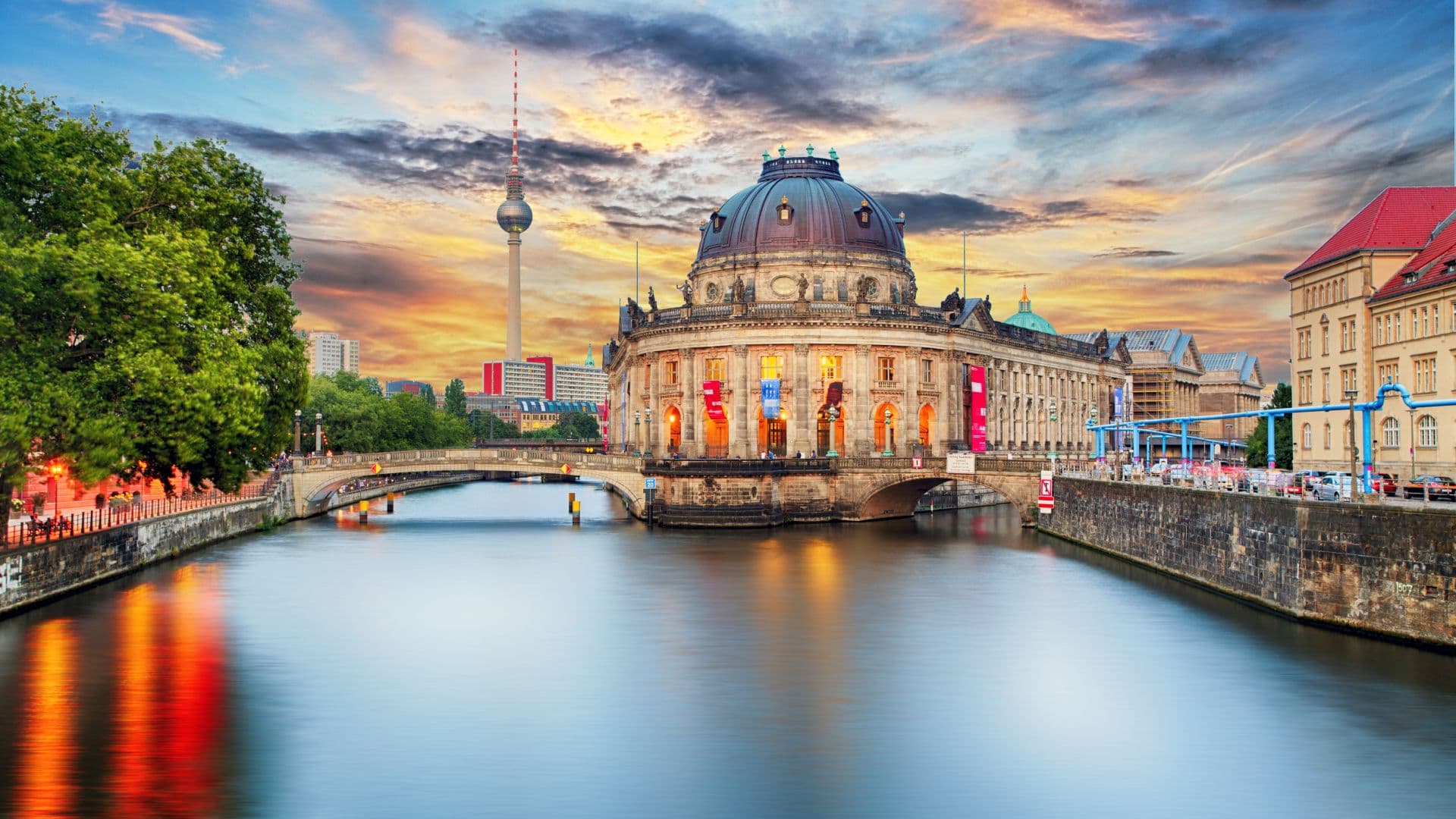
Located in the Mitte district of Berlin, Germany, this cluster of five major museums occupies a distinctive island formed by branches of the Spree River in the heart of the city. Built between the 19th and early 20th centuries, the museums were developed as an institutional ensemble dedicated to art, archaeology, and cultural heritage. The site represents a significant example of museum architecture and curatorial practice from this period, with each building contributing to a cohesive urban cultural plan. The museums house important collections spanning Egyptian antiquities, classical sculpture, Byzantine art, and Old Master paintings, reflecting the collecting practices of Prussian and German institutions. The architectural ensemble is characterized by neoclassical and modernist styles, with buildings that reflect the aesthetic and scholarly priorities of their respective eras. The site's significance lies in its role as a major center for cultural preservation and public access to collections of international importance.