Cultural
Les grandes villes d’eaux d’Europe
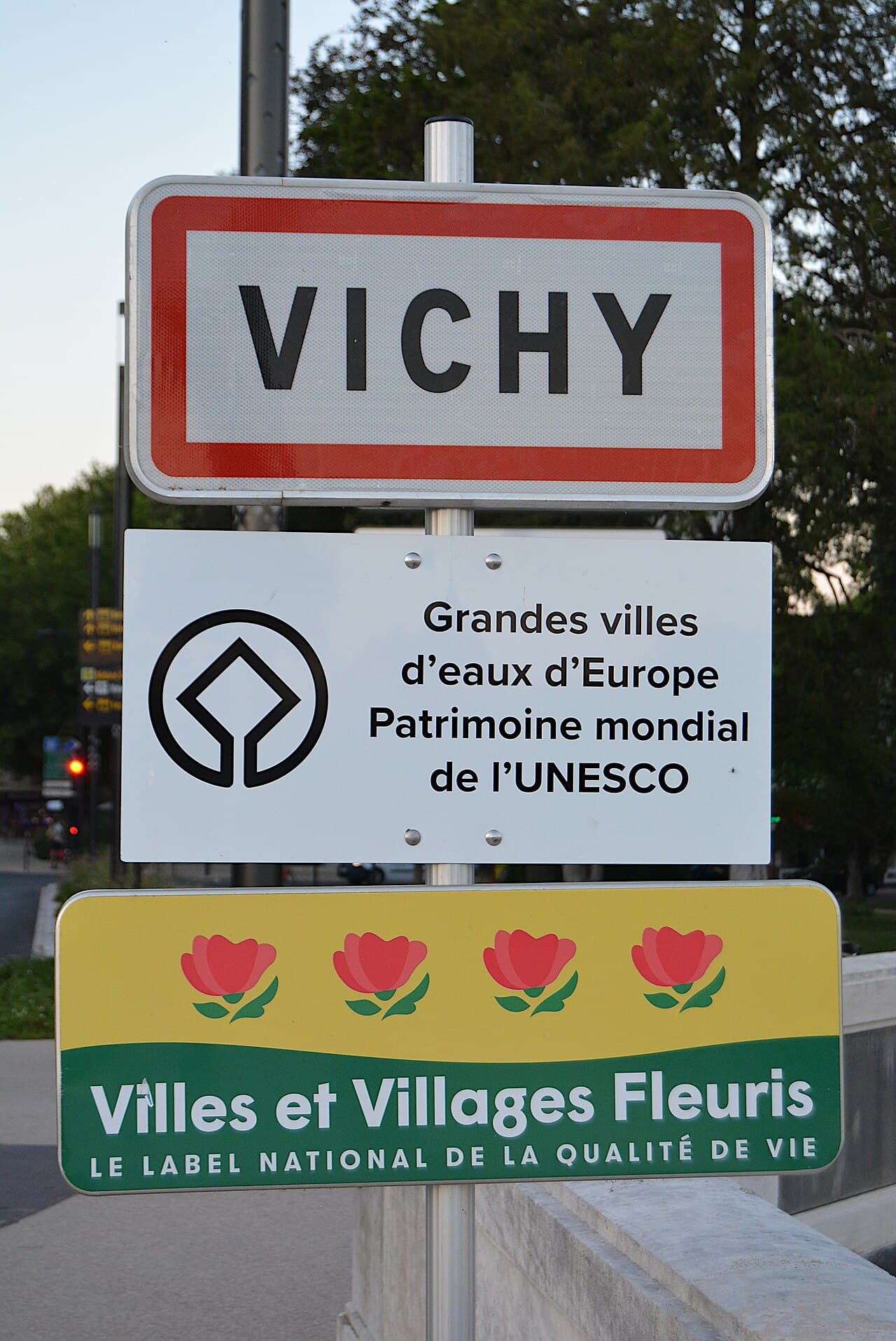
Photo : Tabl-trai (CC BY-SA 4.0)
This cultural heritage site encompasses the major spa towns of Europe, representing a significant tradition of therapeutic water culture that developed primarily during the 18th and 19th centuries. The spa towns are characterized by distinctive architectural ensembles that reflect the leisure and wellness practices of their respective periods, featuring elegant bathhouses, grand hotels, and carefully designed public spaces. Located across several European countries including Germany, these towns exemplify the social and cultural phenomena surrounding the discovery and exploitation of natural mineral springs. The sites are distinguished by their urban planning, which typically centers on the spa facilities and accommodates visitors seeking health benefits from the waters. These towns represent important centers of cultural exchange and social interaction, where European elites and middle-class visitors gathered, contributing to the development of modern tourism. The architectural and urban characteristics of these spa towns provide testimony to the historical importance of water-based wellness practices in European society and leisure culture.