Mixed
Paysage culturel du café de la Colombie
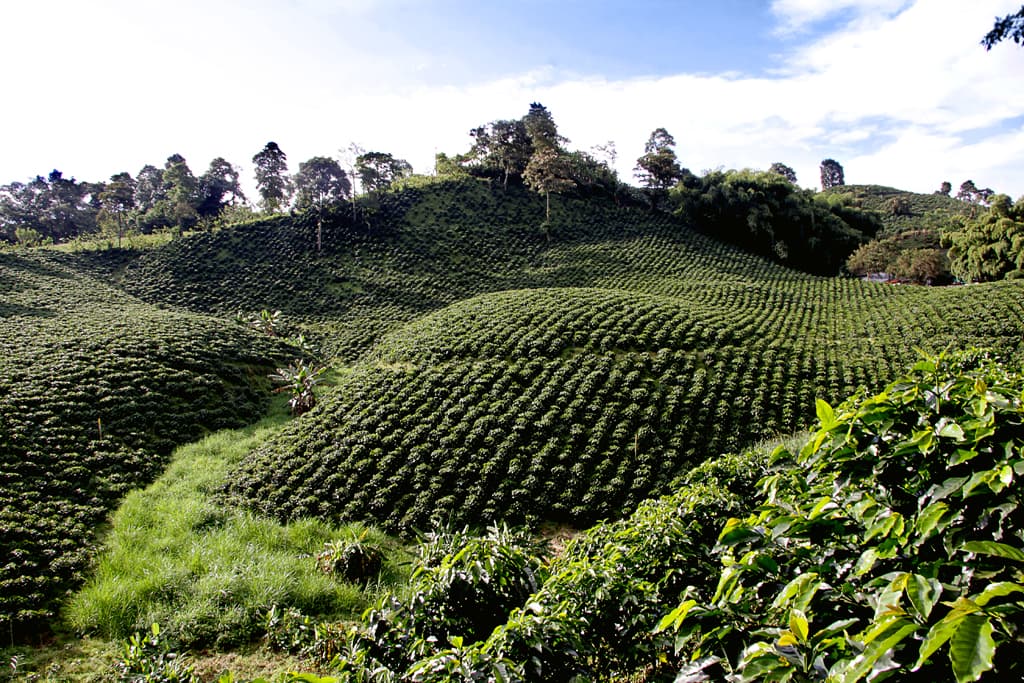
Photo : Triángulo del Café Travel (CC BY 2.0)
Located in the mountainous regions of Colombia's coffee belt, this cultural landscape encompasses the world's largest coffee-producing region and represents a unique human transformation of the Andean environment. The site demonstrates the integration of coffee cultivation with traditional settlement patterns and land management practices developed over generations in the steep terrain of the western and central mountain ranges. The cultural landscape is characterized by small-scale family farms interspersed with native vegetation, traditional architecture adapted to the mountainous topography, and a distinctive settlement pattern that reflects centuries of agricultural adaptation. The inscription recognizes the outstanding universal value of this area as a testimony to the interaction between human communities and their natural environment, specifically how coffee production has shaped a living cultural landscape. The site encompasses multiple municipalities across several departments and preserves both tangible elements such as vernacular architecture and infrastructure, and intangible aspects including traditional knowledge systems and agricultural practices. This mixed-type property combines natural beauty with cultural heritage, illustrating the sustainable relationship between communities and coffee cultivation in one of the world's most important coffee-producing regions.