Natural
Résidence de montagne et temples avoisinants à Chengde
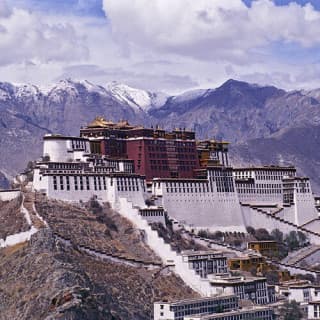
Located in Hebei Province in northern China, this site comprises a mountain residence and surrounding temples built during the Qing Dynasty in the scenic landscape of Chengde. The imperial retreat was constructed as a summer palace for the emperors, serving both as a personal residence and as a diplomatic venue for managing relations with ethnic minorities on the empire's frontiers. The architectural ensemble reflects a synthesis of Han Chinese, Mongol, and Tibetan architectural traditions, demonstrating the cultural diversity of the region and the Qing court's political strategy. The natural setting within a valley surrounded by mountains provided both aesthetic appeal and strategic advantages for the imperial compound. The temples adjoining the residence represent significant examples of Buddhist and Taoist religious architecture integrated into the broader palace complex. The site documents an important period of imperial construction and religious patronage in eighteenth-century China.