Cultural
Palais impériaux des dynasties Ming et Qing à Beijing et à Shenyang
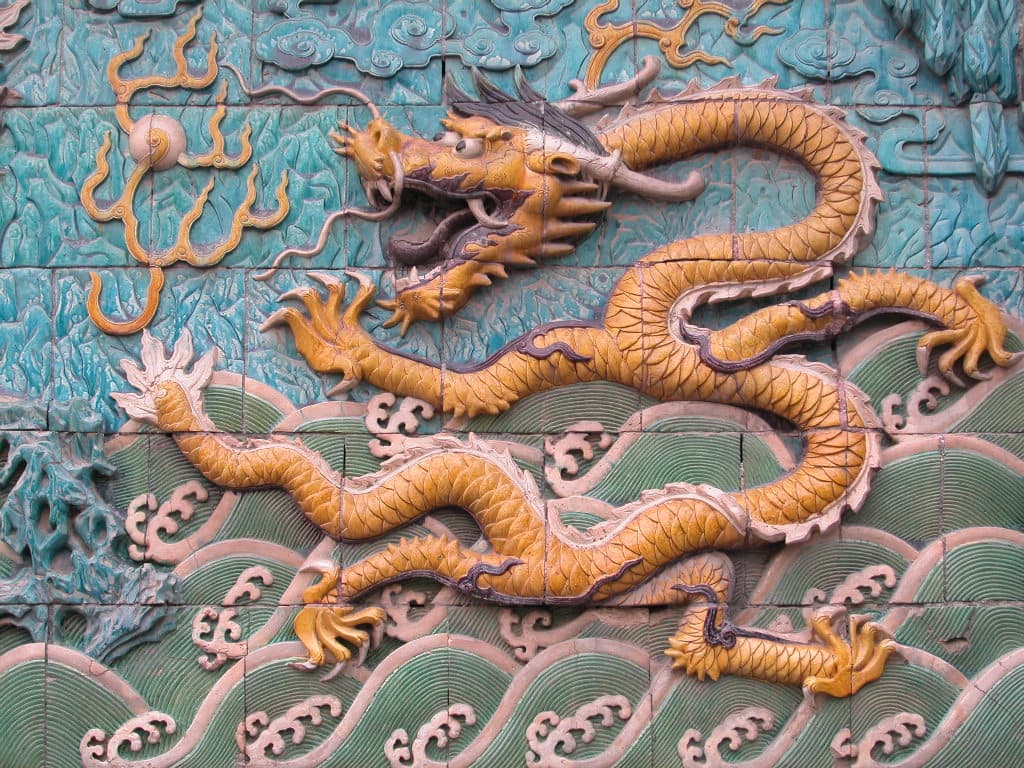
Photo : Giovanni Boccardi (CC BY-SA 3.0 igo)
The Imperial Palaces of the Ming and Qing Dynasties represent the zenith of Chinese imperial architecture, comprising two major palace complexes: the Forbidden City in Beijing and the Palace of Mukden in Shenyang. These sites embody the political and cultural achievements of two successive Chinese dynasties, spanning several centuries of imperial rule and serving as the primary residences and administrative centers of the emperors. Located in northeastern China, the Beijing complex stands at the heart of the capital city, while the Shenyang palace occupies an important position in Liaoning Province, reflecting the shift of imperial power during the Qing Dynasty. Both palaces are characterized by their symmetrical layouts, elaborate architectural details, and integration of traditional Chinese cosmological principles, featuring numerous halls, courtyards, gardens, and residential quarters arranged according to strict hierarchical planning. The palaces showcase exceptional examples of Chinese craftsmanship in materials such as glazed tile, carved stone, and gilded wood, demonstrating the technical sophistication of their construction. Together, these imperial palaces document the material culture, administrative systems, and artistic achievements of the Ming and Qing periods, making them invaluable testimonies to Chinese civilization.