Cultural
Kulangsu, un établissement historique international
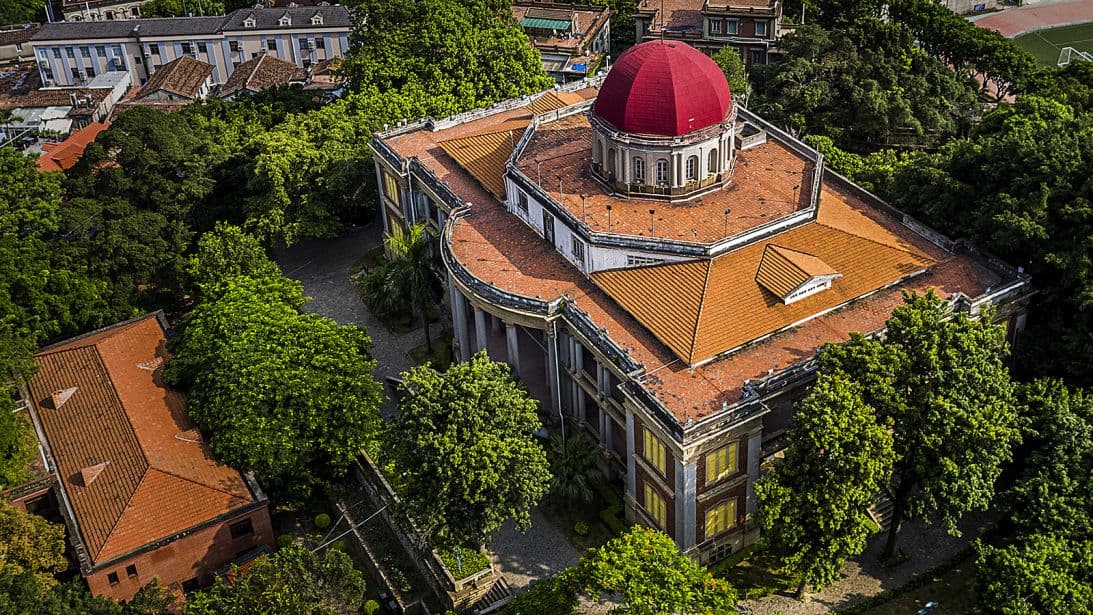
Located off the coast of Fujian Province in southeastern China, Kulangsu is a small island that developed into a significant international settlement during the late 19th and early 20th centuries. The site represents a distinctive fusion of Chinese and Western architectural and cultural influences, reflecting its history as a treaty port and foreign concession. The island's built environment comprises a varied collection of structures including residences, religious buildings, commercial establishments, and civic facilities that showcase multiple architectural styles such as Art Deco, Victorian, and traditional Chinese design. Kulangsu's historical importance derives from its role as a cosmopolitan trading hub where diverse communities coexisted and exchanged cultural practices, evident in the multilingual inscriptions and hybrid aesthetic of its urban fabric. The island's compact geography and preserved streetscapes provide substantial evidence of international maritime commerce and cultural interaction during a transformative period in China's modern history. This cultural landscape documents the complex dynamics of foreign presence and local adaptation in late imperial and early republican China.