Cultural
Tr’ondëk–Klondike
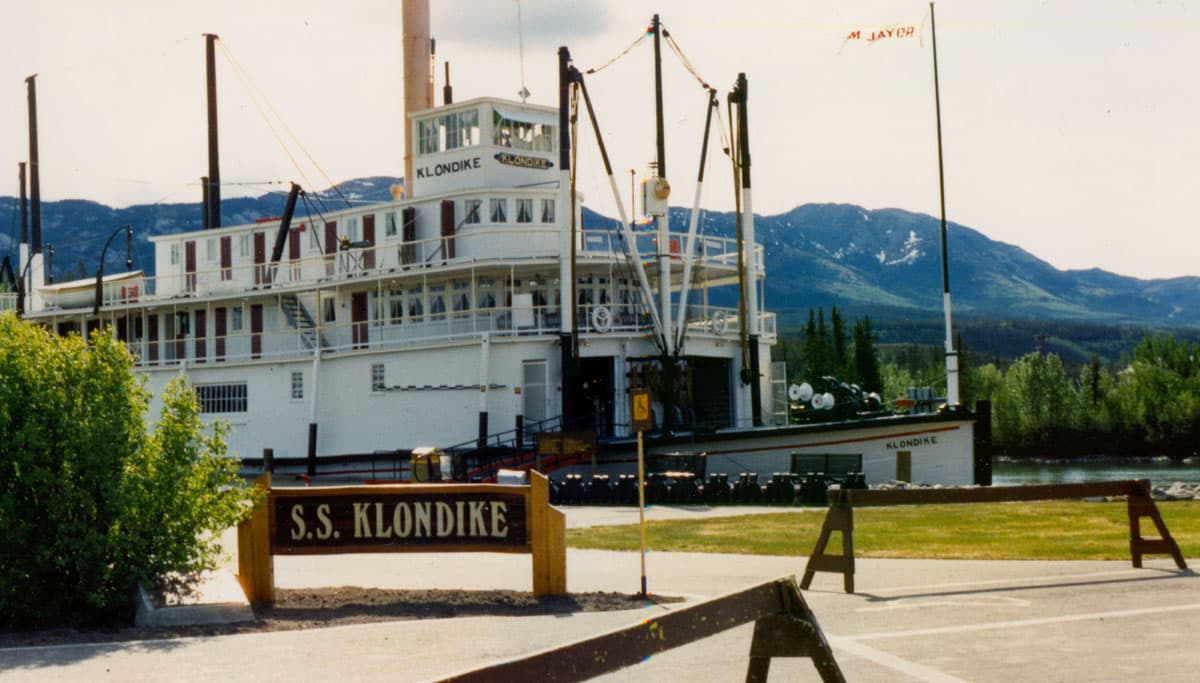
Photo : Mike Beauregard from Nunavut, Canada (CC BY 2.0)
Located in the Yukon Territory of Canada, this cultural site encompasses the Tr'ondëk Hwëch'in traditional territory and the historic Dawson City area, which emerged as a major center during the Klondike Gold Rush. The site represents the intersection of Indigenous Tr'ondëk Hwëch'in culture, which has sustained the region for millennia, and the transformative impacts of the late 19th-century gold rush that rapidly developed the landscape. The geographical setting includes river valleys, boreal forests, and riparian zones of the Yukon River system, which have been central to both Indigenous subsistence practices and subsequent settlement patterns. Visually, the site is characterized by historic wooden buildings from the early gold rush period, traditional Indigenous settlement patterns, and archaeological evidence of long-term occupation. The site documents the complex interactions between Indigenous peoples and newcomers, preserving evidence of traditional land use alongside records of the dramatic economic and social changes brought by the gold rush era.