Cultural
Ville historique d'Ouro Preto
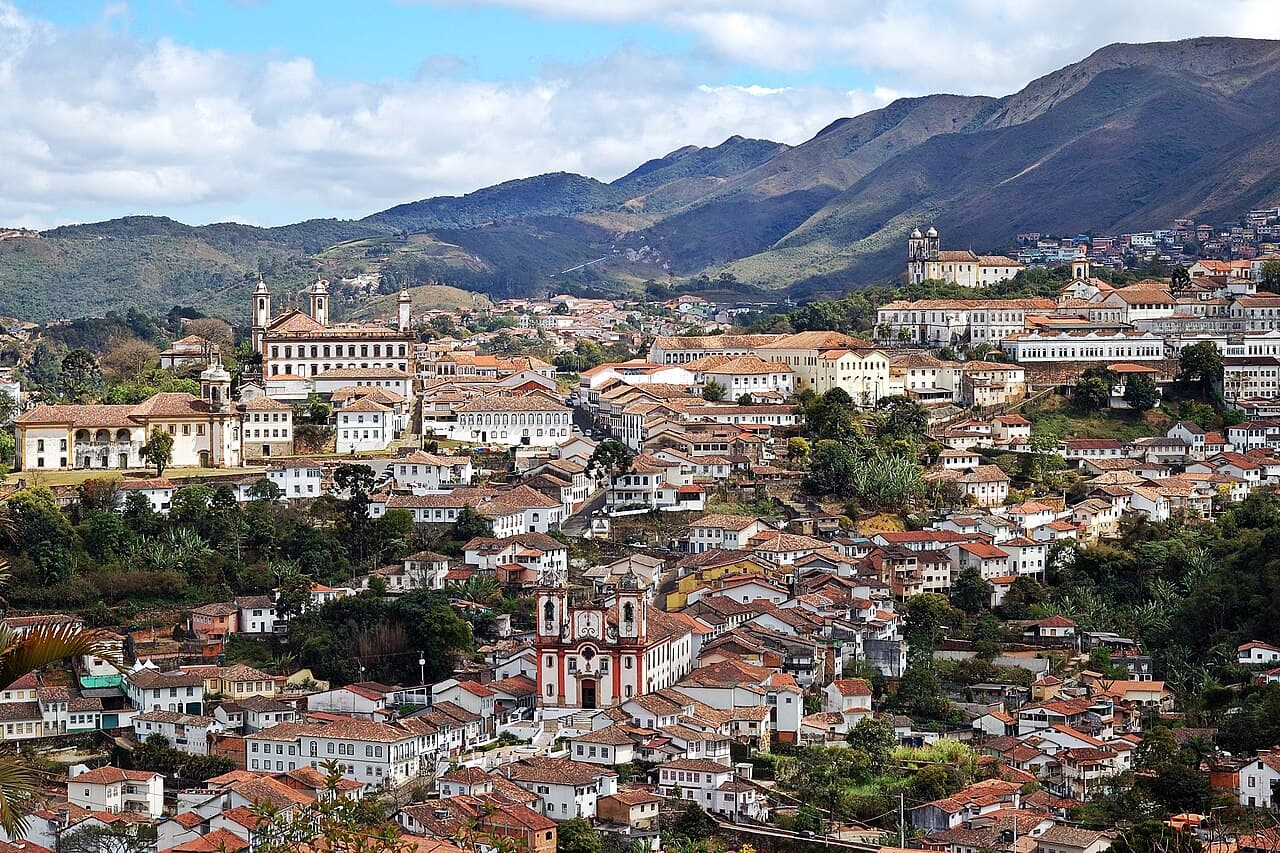
Photo : Rosino (CC BY-SA 2.0)
Located in the state of Minas Gerais in southeastern Brazil, this colonial town developed as a major center of gold mining during the 18th century. The urban layout and architecture reflect the prosperity generated by the gold trade, with its steep streets, bridges, and numerous churches featuring baroque elements characteristic of the period. The town's architectural heritage is distinguished by its harmonious integration of religious, civil, and residential buildings, many of which display distinctive soapstone carvings and decorative details. The site represents a significant example of Portuguese colonial urbanism adapted to mountainous terrain, preserving the material culture and spatial organization of a historic mining settlement. Its cultural value lies in the ensemble of buildings and urban planning that document an important chapter of Brazilian colonial history and baroque artistic expression.