Cultural
Missions jésuites des Guaranis : San Ignacio Mini, Santa Ana, Nuestra Señora de Loreto et Santa Maria Mayor (Argentine), ruines de Sao Miguel das Missoes (Brésil)
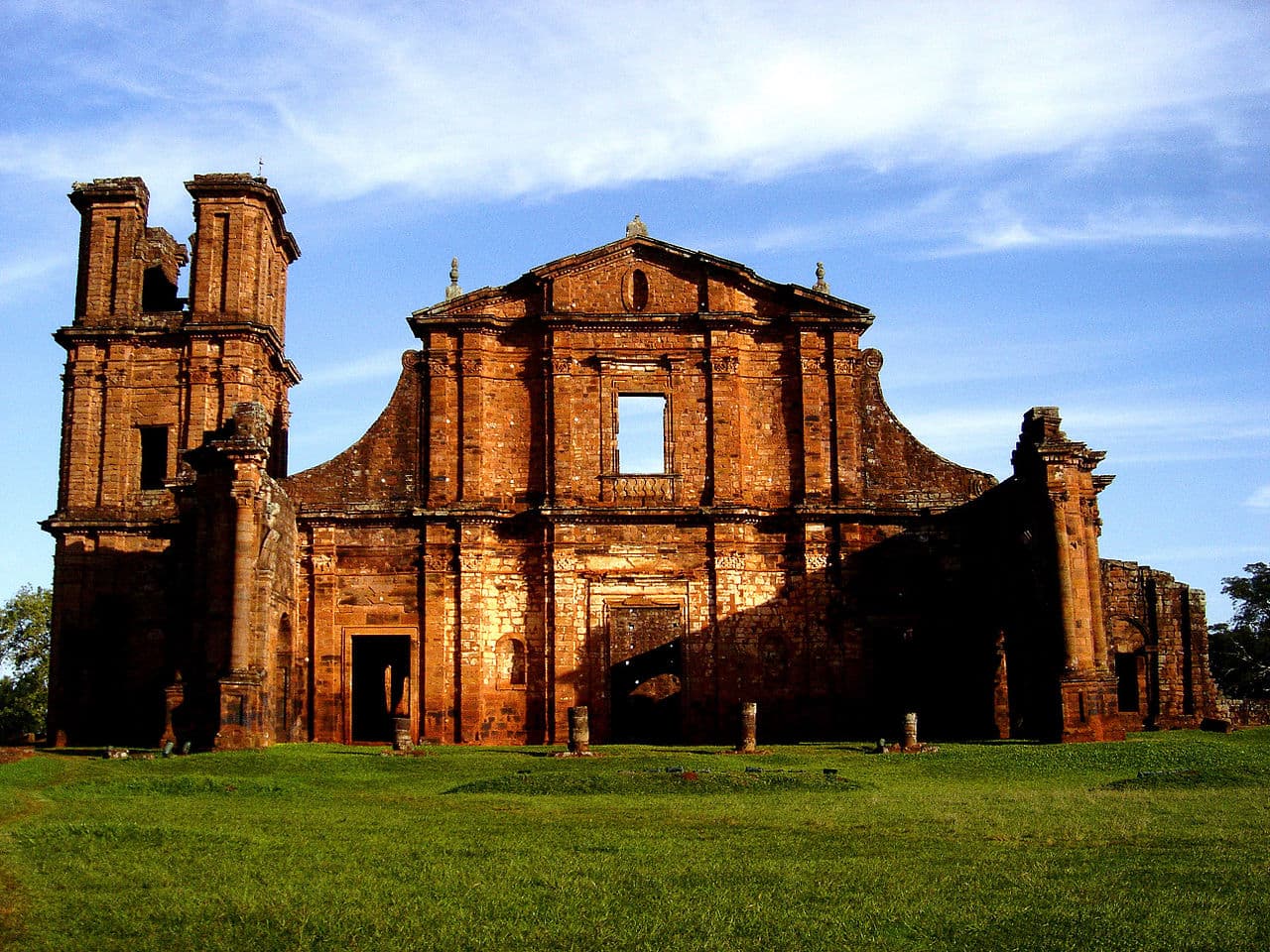
Photo : Goldemberg Fonseca de Almeida from Dourados - MS, Brazil (CC BY 2.0)
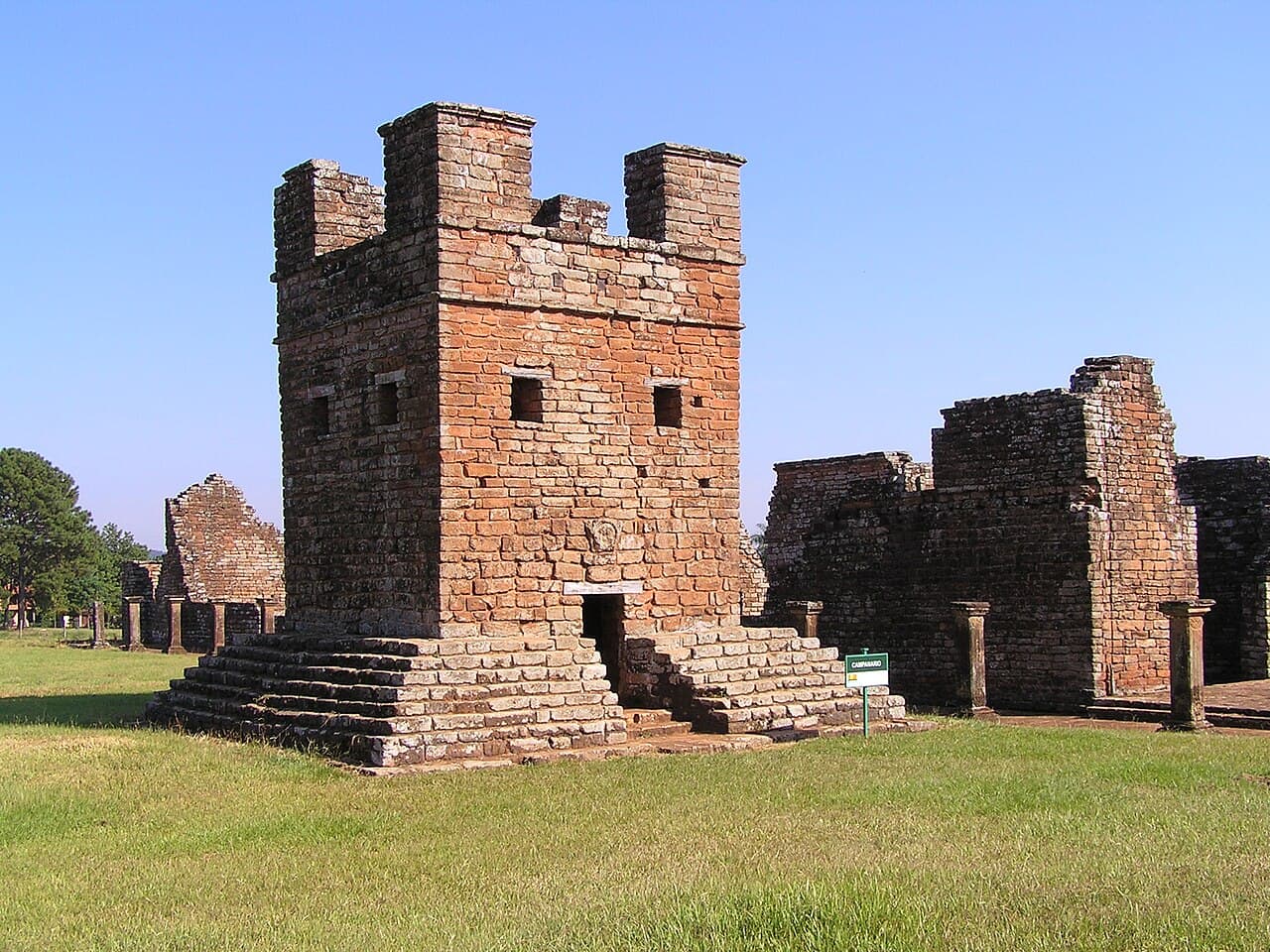
These remains of Jesuit missions represent one of the most significant utopian settlements of the 17th and 18th centuries in South America. Built by the Society of Jesus to evangelize and educate the Guaraní people, the missions combined European architectural and urban planning principles with indigenous labor and materials. Located across the borders of present-day Argentina and Brazil in the Misiones Province and state of Rio Grande do Sul, the sites are situated in a region of subtropical forests and rolling terrain. The archaeological remains reveal substantial stone buildings, including churches, residences, and communal structures, arranged according to a deliberate spatial organization that reflected the missions' social and religious objectives. The inscription recognizes these sites as exceptional testimonies to a distinctive and influential chapter of colonial history, demonstrating the complex interactions between European religious institutions and indigenous societies. The surviving ruins of San Ignacio Mini, Santa Ana, Nuestra Señora de Loreto, Santa Maria Mayor, and São Miguel das Missões preserve architectural and archaeological evidence of this unique historical experiment.