Cultural
Qhapaq Ñan, réseau de routes andin
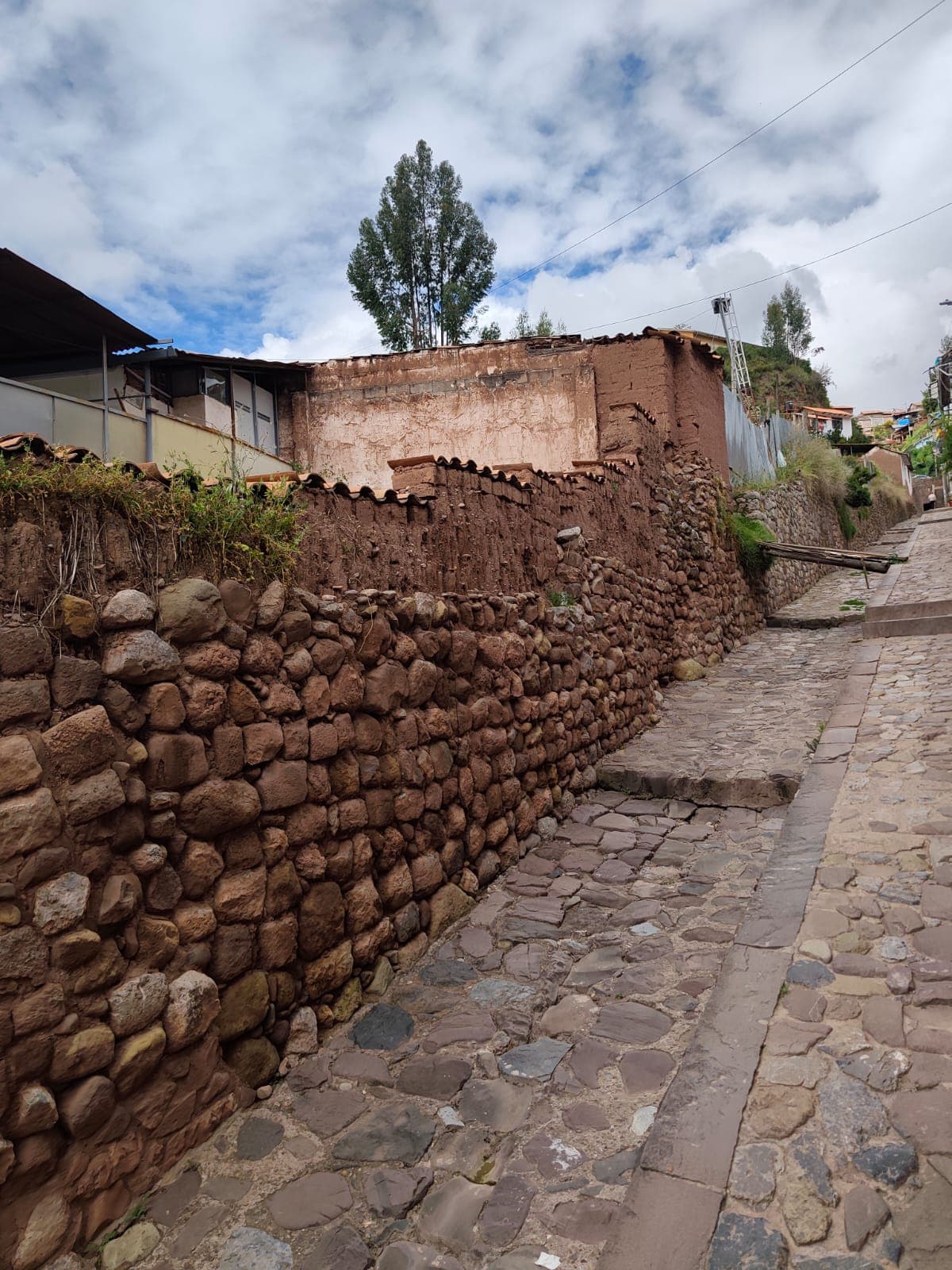
Photo : JEAMpisho (CC BY 4.0)
This extensive network of roads traverses the mountainous terrain of the Andes in Bolivia, representing a significant portion of the larger Qhapaq Ñan system that once connected the vast Inca Empire. The road network demonstrates sophisticated engineering adapted to one of the world's most challenging geographical environments, featuring carefully constructed pathways, bridges, and drainage systems that facilitated trade, communication, and administrative control across the highlands. The routes wind through varied altitudes and ecosystems, from high mountain passes to lower valleys, showcasing the Inca civilization's remarkable organizational capacity and technical knowledge. The Bolivian section preserves sections of stone-paved roads, rest stations, and associated archaeological structures that reflect centuries of use and maintenance. The UNESCO inscription recognizes the roads' outstanding universal value as testimony to the political, administrative, and economic systems of the pre-Hispanic Andes, while their preservation in the landscape continues to serve local communities and provides evidence of historical land use patterns in the region.