Cultural
Ancienne cité de Nessebar
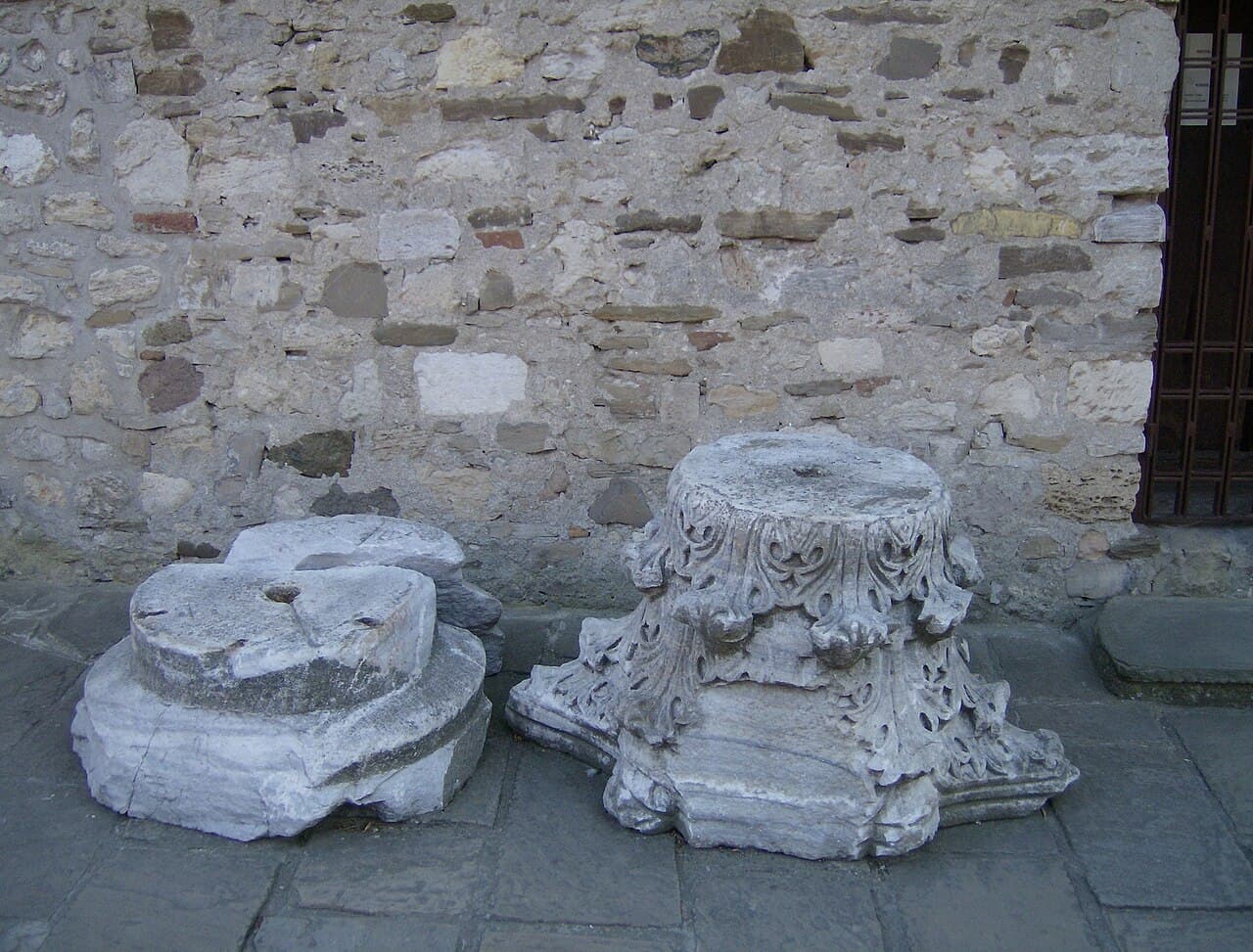
Located on the Black Sea coast of Bulgaria, this ancient city occupies a narrow peninsula and represents a significant example of urban settlement spanning multiple historical periods. The site demonstrates continuous habitation from the Thracian period through Greek colonization, the Roman era, and subsequent Byzantine and Ottoman occupation, with each period leaving architectural and cultural traces. The old town is characterized by narrow winding streets, traditional stone houses, and numerous religious structures including Byzantine churches and a mosque, reflecting the diverse communities that inhabited the city. Archaeological remains and standing structures provide evidence of the site's importance as a trading port and strategic location throughout antiquity and the medieval period. The juxtaposition of architectural styles and the preservation of urban layout from different eras make Nessebar valuable for understanding the cultural and historical development of the Black Sea region. The combination of archaeological deposits and architectural heritage documents the evolution of settlement patterns and construction techniques over centuries.