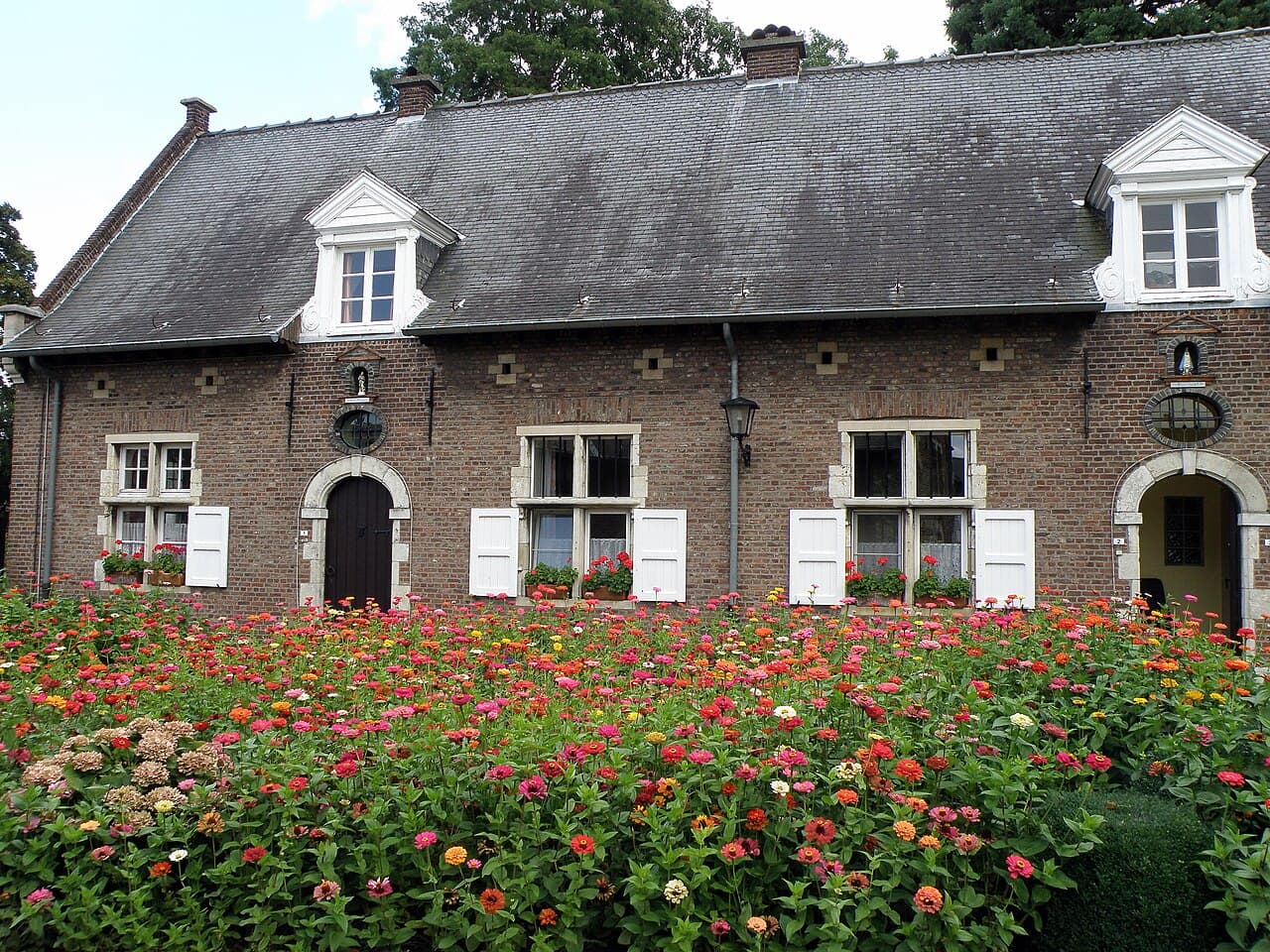
Béguinages flamands
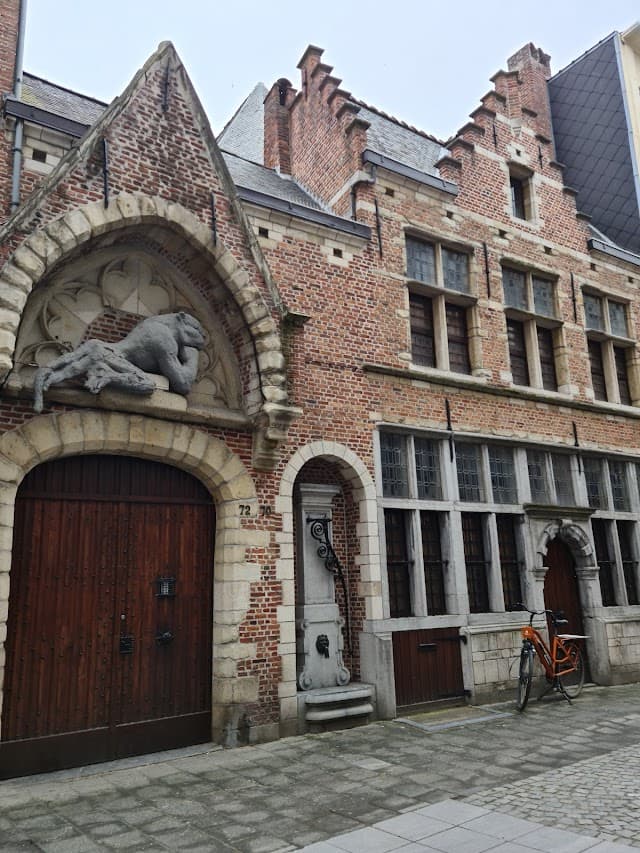
These urban ensembles located in the Flemish region of Belgium represent a distinctive form of communal living that emerged in the medieval period. Béguinages were self-governed communities of religious women, known as Beguines, who lived according to spiritual principles without taking formal monastic vows. The sites are characterised by their enclosed architectural layouts, typically featuring small houses, chapels, and communal buildings arranged around courtyards or streets. The surviving béguinages demonstrate particular construction styles reflecting their regional context, with buildings constructed in brick and stone using local building traditions. These settlements reflect an important social and religious phenomenon unique to the Low Countries, documenting the lives of women who chose religious devotion while maintaining connections to urban society. The béguinages of Flanders are recognised for their historical significance as well-preserved examples of medieval urban planning and community organisation.