Mixed
Paysage culturel Budj Bim
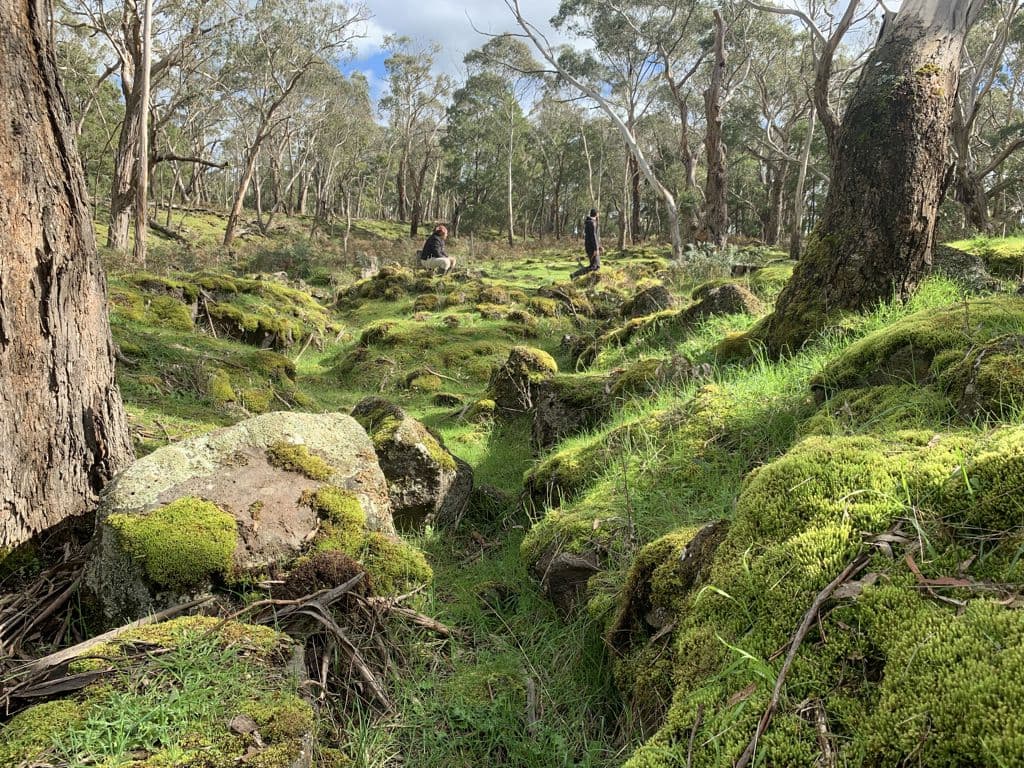
Located in Victoria, Australia, this cultural landscape represents an exceptional example of Indigenous land management and resource utilization developed over thousands of years. The site encompasses an extensive network of stone channels, ponds, and constructed wetlands that were engineered by the Gunditjmara people to manage water flows and facilitate the cultivation of freshwater eels, demonstrating sophisticated environmental knowledge and engineering capabilities. The landscape reflects a deep connection between the Indigenous inhabitants and their environment, where constructed features were integrated into the natural topography to optimize food production and resource management. The site's visual characteristics are defined by the visible remnants of these stone structures embedded within the contemporary landscape, along with associated volcanic features and water systems. The Budj Bim cultural landscape provides archaeological and ethnographic evidence of complex Indigenous societies that developed sustainable agricultural practices long before European contact. This site represents a significant achievement in Indigenous resource management and continues to hold cultural and spiritual significance for descendant communities.