44000
Museums, galleries and heritage around Nantes
46 places listed in Nantes itself.
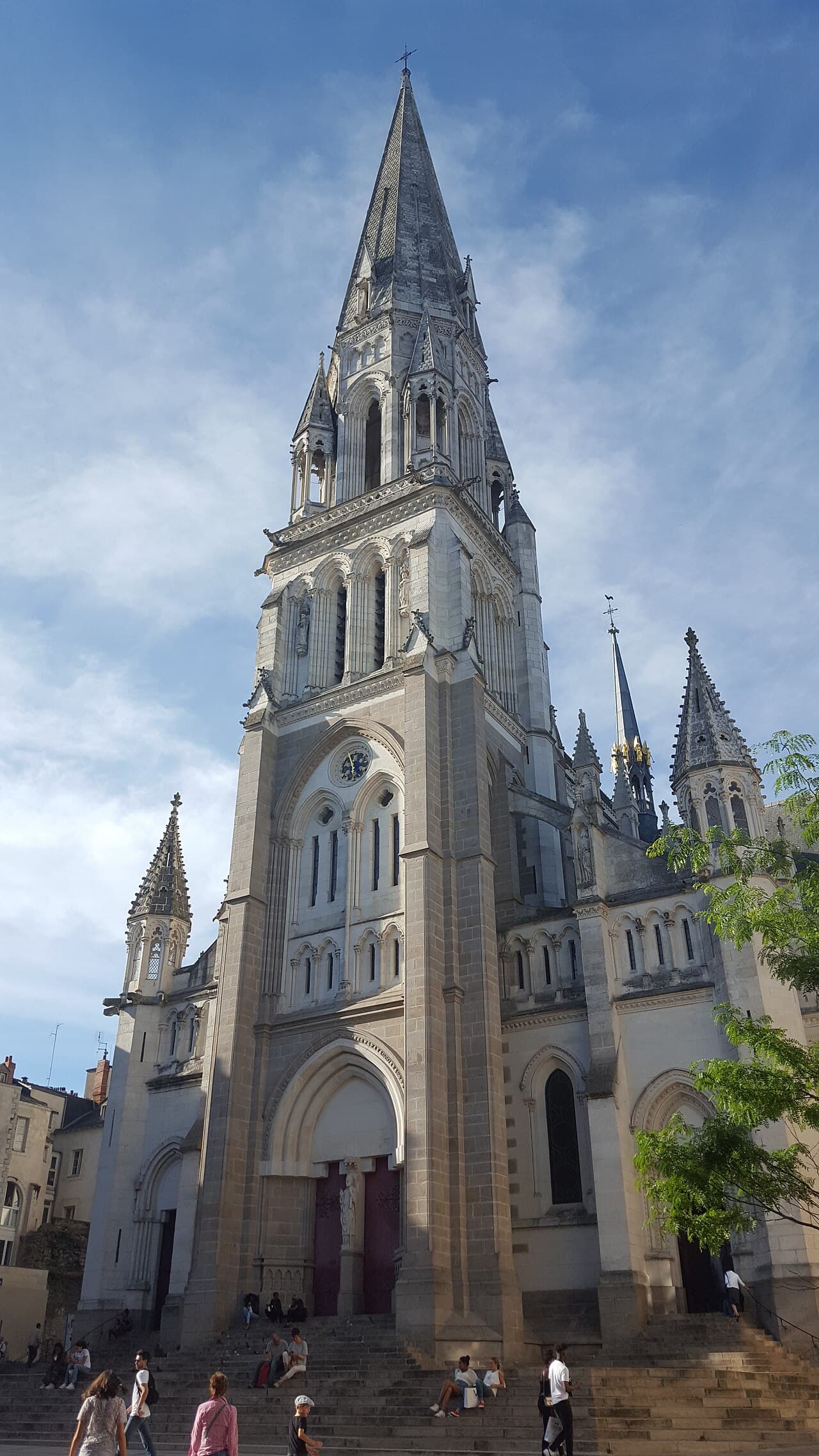
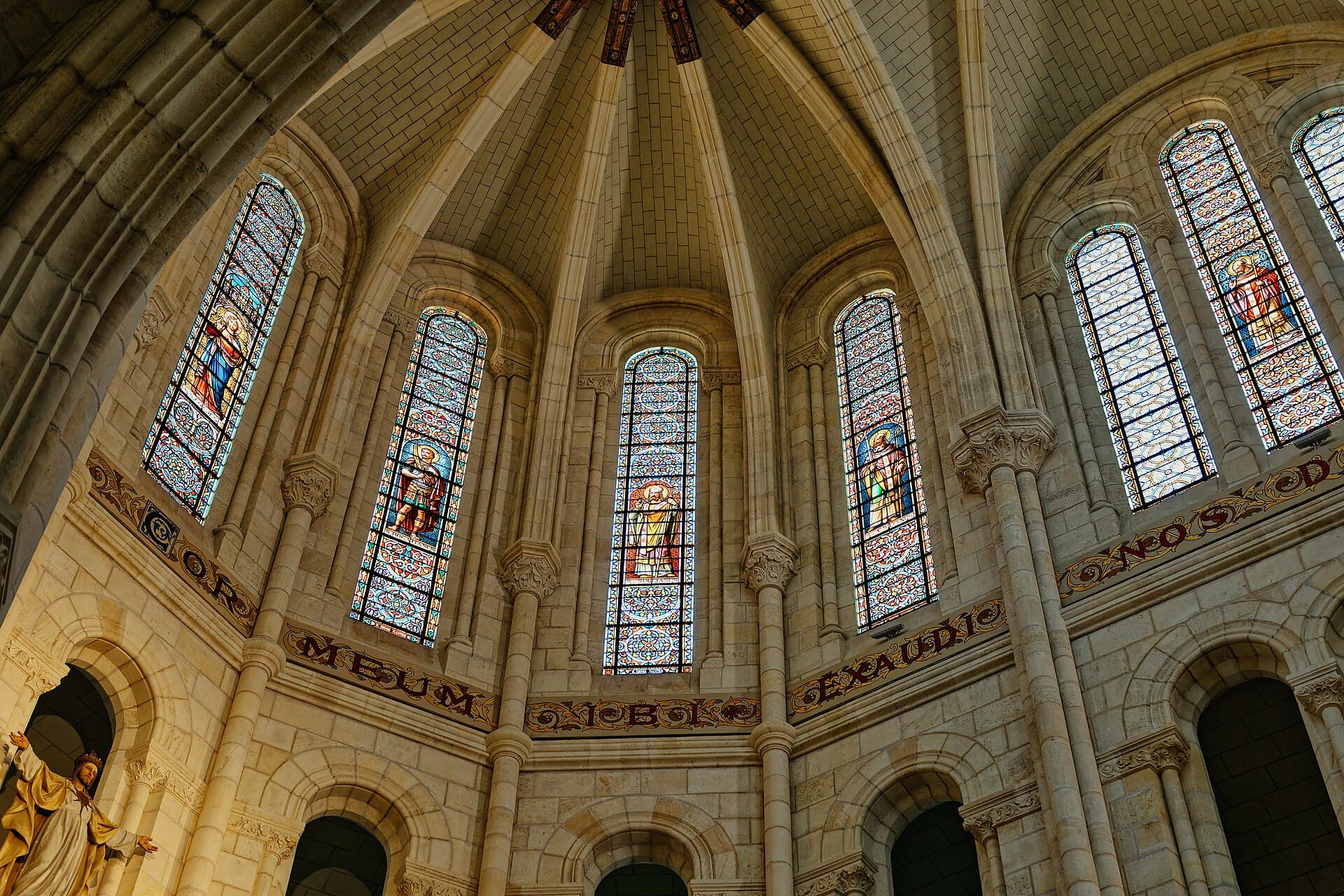
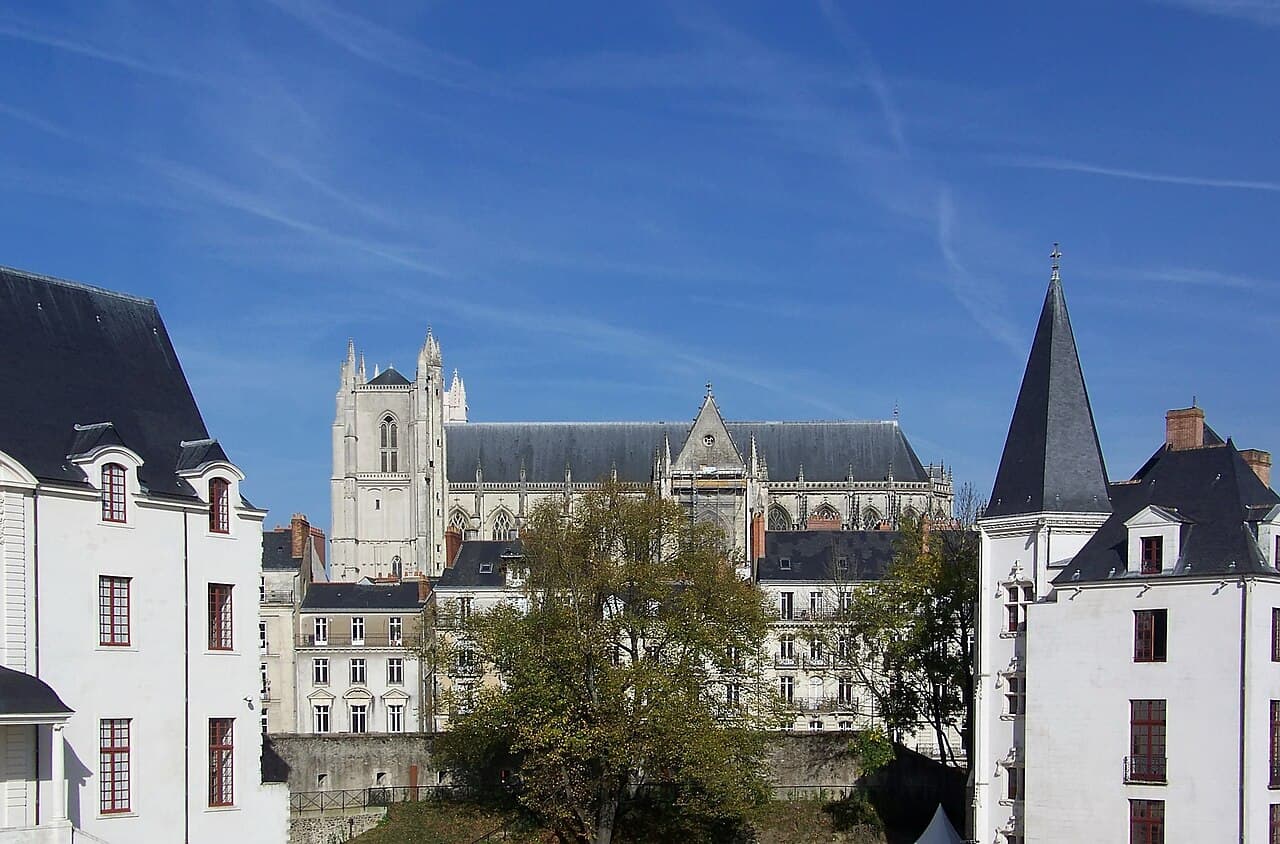
Including Musée d’arts de Nantes, Cathédrale Saint-Pierre-et-Saint-Paul de Nantes and Muséum d'Histoire Naturelle.
3 places to discover within 5 km of Nantes.
3 of 3 places within 5 km, sorted by distance
A City Between Heritage and Contemporary Art
Nantes built its identity on the wealth of a former trading port, visible today in the collections of the Musée d'arts de Nantes, which spans nine centuries of visual art from the Middle Ages to the present through a collection of more than 14,000 works.
The city's ducal past is preserved at the Musée d'histoire de Nantes, set inside the Château des ducs de Bretagne, where 32 rooms and over 1,500 objects trace the city's evolution from its origins to the modern era. Nearby, the Musée Dobrée presents collections spanning more than 500,000 years of history, gathered from five continents.
Contemporary art has its own dedicated venue with the Frac des Pays De La Loire, part of the national network of regional contemporary art funds, located just outside the city in Carquefou.
Where to Find Art in the City
The area around the Château and the old town concentrates several of the city's key institutions, including the Musée d'histoire de Nantes and, along the Quai de la Fosse, the Musée Atelier de l'Imprimerie de Nantes, a working conservatory of print trades offering daily guided demonstrations.
On the Île de Nantes, a former industrial island turned cultural district, visitors will find the HAB Galerie, housed in a converted banana warehouse and known for large-scale contemporary exhibitions.
The city center also hosts a dense network of independent galleries — among them Galerie Albane, Galerie Gaïa, Zoo centre d'art contemporain and House of Banksy — making it possible to explore a full circuit of contemporary art spaces on foot.
A City of Writers and Illusionists
Nantes is the birthplace of Jules Verne, and the Musée Jules Verne is dedicated to the writer and his literary universe. Inaugurated in 1978 for the 150th anniversary of his birth, it holds a rich collection of manuscripts, illustrated editions and personal memorabilia.
The city's fascination with perception and imagination continues at the Musée de l'illusion Nantes, devoted to visual illusions and the science of perception — a playful counterpoint to the city's more traditional heritage museums.
Frequently asked questions
How much time should I plan to visit the main museums in Nantes?
Allow half a day for the Musée d'histoire de Nantes at the Château des ducs de Bretagne, and around two hours each for the Musée d'arts de Nantes, the Musée Jules Verne or the Musée Dobrée.
Which Nantes museum is best for families with children?
The Musée de l'illusion Nantes and the Musée Jules Verne are particularly well suited to younger visitors, combining interactive displays with storytelling.
Is contemporary art easy to see in Nantes without a car?
Yes — most galleries, including HAB Galerie on Île de Nantes and the independent galleries in the city center, are accessible on foot or by tram, all within a compact area.
Where can I see contemporary art institutions outside the city center?
The Frac des Pays De La Loire is located in Carquefou, just outside Nantes, and is reachable by public transport for a half-day visit.
What is the best time of year to visit Nantes' museums and galleries?
Spring and early autumn offer the most comfortable conditions, with fewer crowds than summer and most temporary exhibitions in full swing.