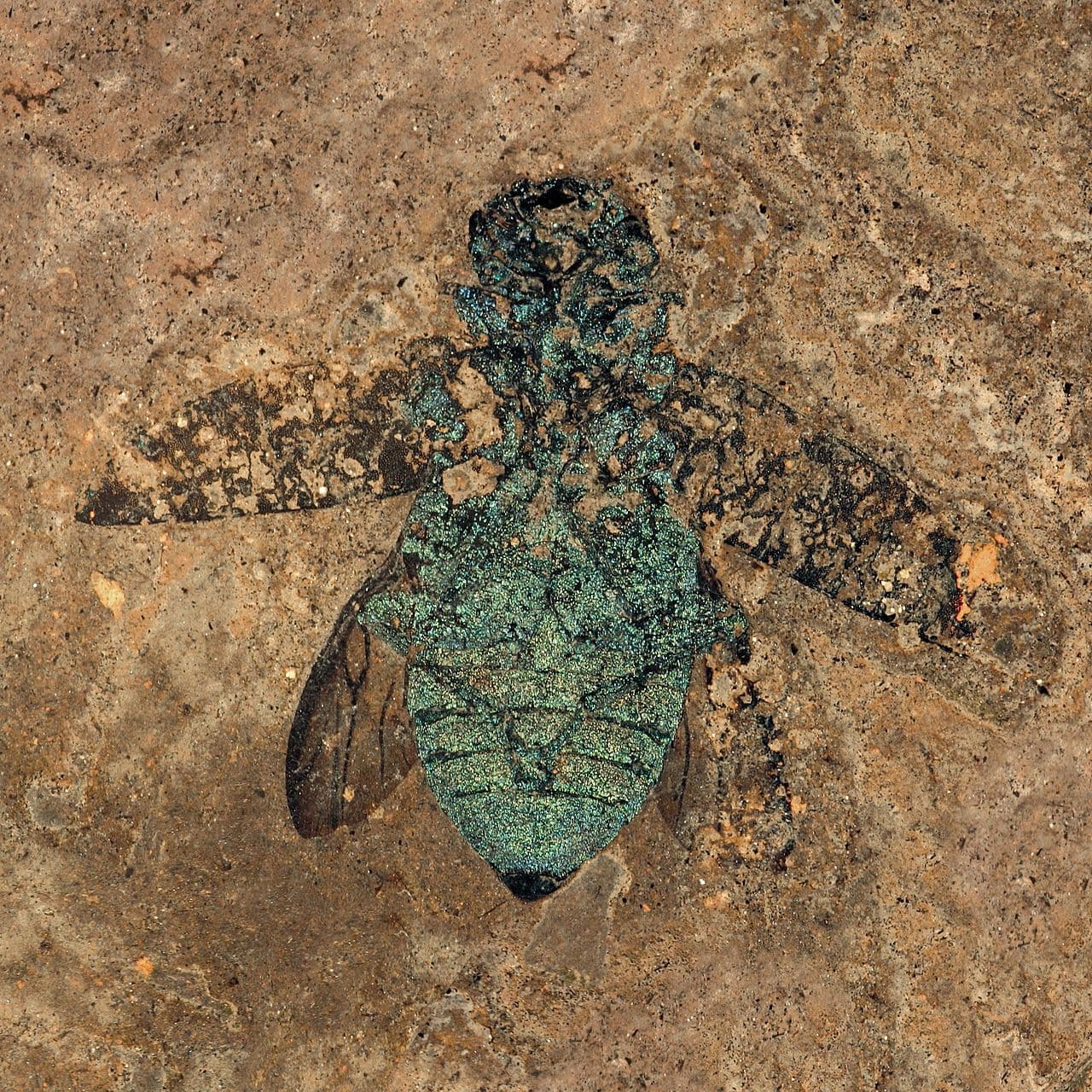
Photo : Foto: Torsten Wappler, Hessisches Landesmuseum Darmstadt (CC BY-SA 3.0)
Site fossilifère de Messel
Located in the state of Hesse in Germany, this fossil site represents an exceptionally well-preserved record of early Cenozoic ecosystems. The site contains extensive deposits dating to the Eocene epoch, which have yielded thousands of fossils of plants, insects, and vertebrates in remarkable condition. The exceptional preservation of soft tissues and fine anatomical details has made this location a crucial resource for understanding the evolution of life during this period. The geological formations at Messel provide insights into the climate, flora, and fauna of a tropical or subtropical environment that existed millions of years ago. The site's scientific significance lies in the completeness and quality of its fossil assemblages, which continue to inform paleontological research and our understanding of early mammalian evolution. This combination of scientific importance and the rarity of such well-preserved fossil deposits justifies its recognition as a natural heritage site of global importance.